People Analytics for Non-Data Scientists: Getting Started Guide
BCS Editorial Team
Enterprise Solutions
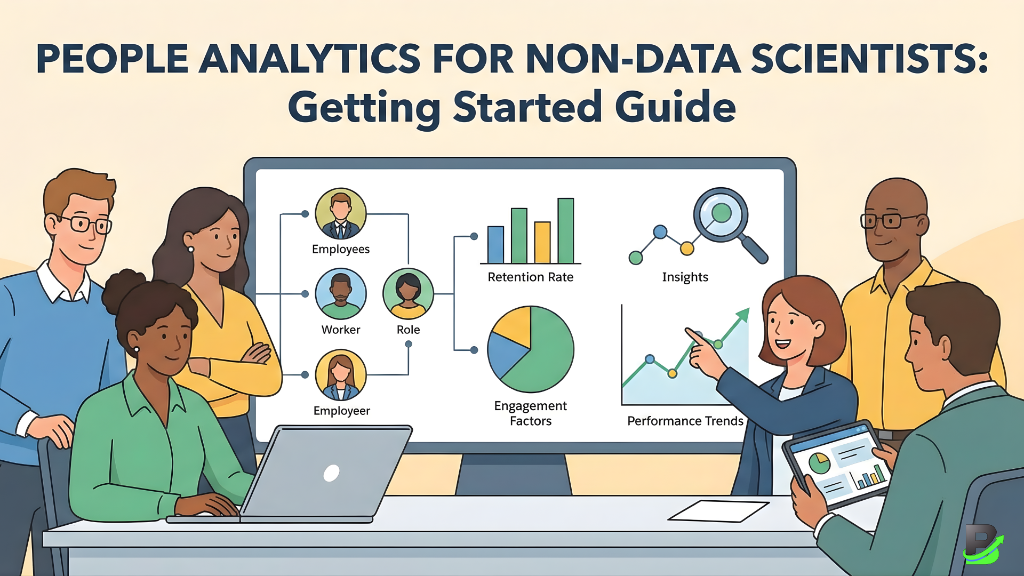
People analytics is the practice of gathering and analyzing data on organizations, individuals, and talent to improve business outcomes.
What is people analytics?
People analytics is a process that analyzes data on people using statistical, visual, and descriptive techniques to address business issues. Other names for it include workforce analytics, talent analytics, and HR analytics.
Moreover, people analytics can be used to improve retention by identifying high attrition groups and creating incentives to reduce attrition, as well as to improve employee morale by assessing engagement factors and modifying policies to promote morale. Driving business performance with people data reports provides additional insights for HR and finance professionals.
Why is people analytics important?
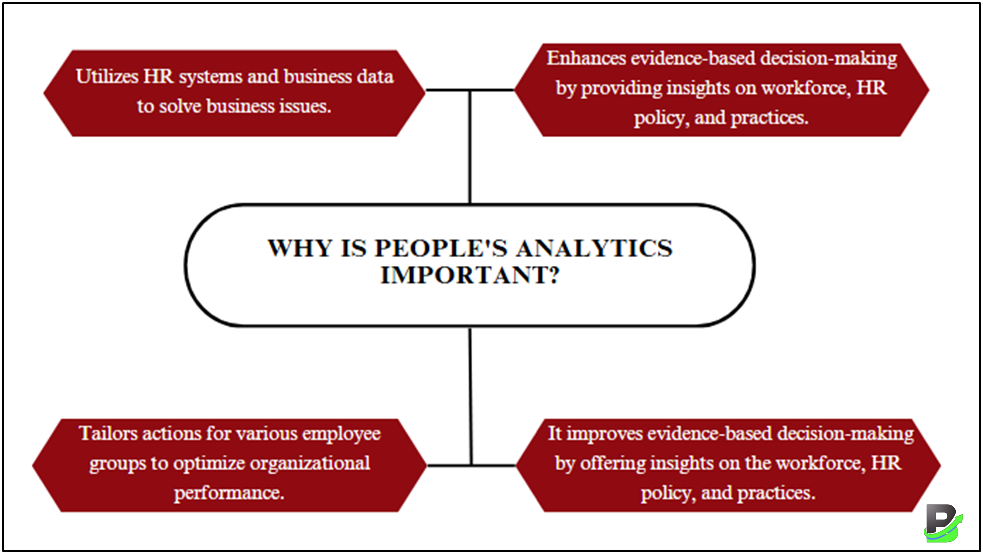
People analytics, often known as HR analytics, is a methodology that addresses business issues by utilizing people data gathered from HR systems and business data. It improves evidence-based decision-making by offering insights on the workforce, HR policy, and practices.
For instance, May Leng Kwok, regional head of CIPD Asia, notes that by understanding the factors that influence engagement, retention, performance, and wellbeing, people analytics may help managers make better decisions. Businesses can then optimize organizational performance by using these insights to tailor actions for various employee groups.
(Source: Self-developed)
Data Literacy for Non-Data Scientists
Understanding the language of data is essential in the big data era to obtain insights and direct decision-making. Interpreting complex data insights that are supported by intuition and presented in an understandable visual format is made possible by data literacy.
The new language of data, data management techniques, and visual analysis and communication tools are all introduced in this professional certificate program. Prescriptive and predictive analytics methods for more accurate demand forecasting are also covered. Since data is available everywhere, it is crucial to have the skills necessary to take advantage of this important resource.
What are Descriptive, Predictive, and Prescriptive Analytics?
Prescriptive analytics are becoming more available in digital systems, and organizations' people analytics capabilities are maturing. Though it does not always produce more insightful results, this capability increases automation and analysis. Even if advanced analytics are required, descriptive analytics can offer insightful information based on the problem being solved.
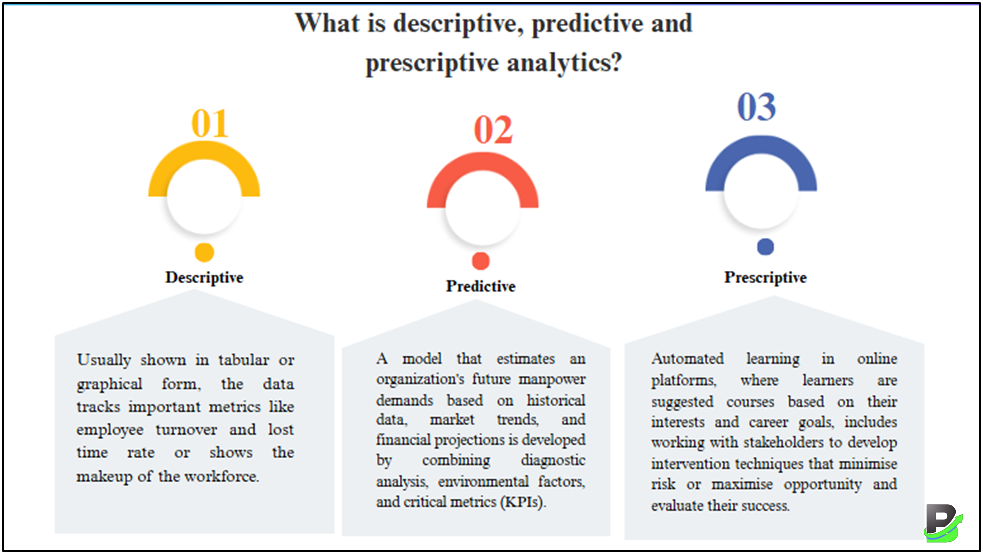
- Descriptive: Usually shown in tabular or graphical form, the data tracks important metrics like employee turnover and lost time rate or shows the makeup of the workforce.
- Predictive: A model that estimates an organization's future workforce demands based on historical data, market trends, and financial projections is developed by combining diagnostic analysis, environmental factors, and critical metrics (KPIs).
- Prescriptive: Automated learning in online platforms, where learners are suggested courses based on their interests and career goals, involves working with stakeholders to develop intervention techniques that minimize risk or maximize opportunity and evaluate their success.
(Source: Self-developed)
What is a people analytics process?
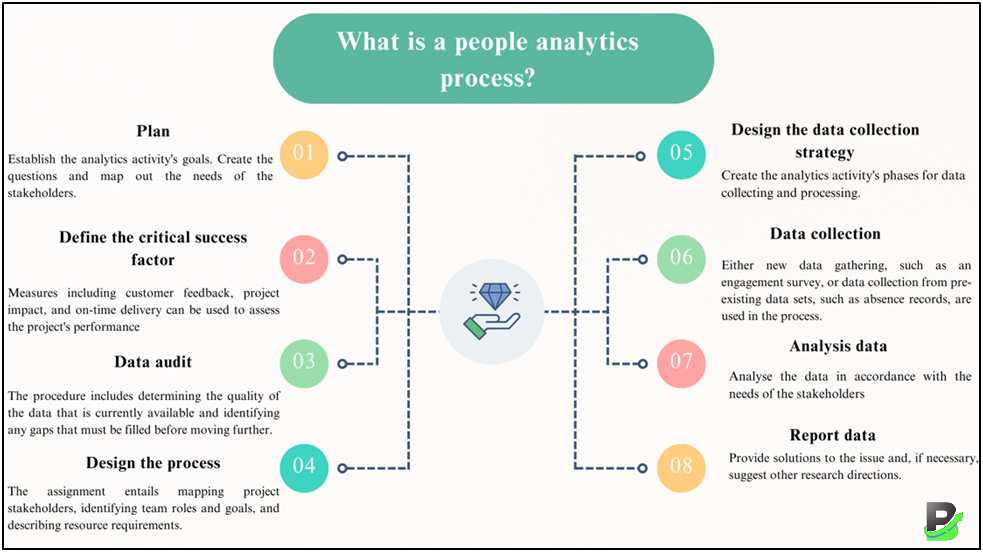
From planning to evaluation, the people analytics process should consist of nine steps. However, it can be shortened by automating analysis and reporting or by reusing data audits.
- Plan: Establish the analytics activity's goals. Create the questions and map out the needs of the stakeholders.
- Define the critical success factor: Measures including customer feedback, project impact, and on-time delivery can be used to assess the project's performance.
- Data audit: The procedure includes determining the quality of the data that is currently available and identifying any gaps that must be filled before moving further.
- Design the process: The assignment entails mapping project stakeholders, identifying team roles and goals, and describing resource requirements.
- Design the data collection strategy: Create the analytics activity's phases for data collecting and processing.
- Data collection: Either new data gathering, such as an engagement survey, or data collection from pre-existing data sets, such as absence records, are used in the process.
- Analyze Data: Analyze the data in accordance with the needs of the stakeholders.
- Report Data: Provide solutions to the issue and, if necessary, suggest other research directions.
(Source: Self-developed)
Case Examples
Example 1: ArcelorMittal
“The largest steel firm in the world, ArcelorMittal, develops its talent pool through performance management systems and people measurements”
The HR division of ArcelorMittal works with different business divisions to cultivate talent as part of their Global Employee Development Program. In 2013, 83% of internal movement was due to the adoption of performance management measures to collect and analyze data, which allowed for the creation of a strong succession plan and higher employee engagement scores.
Example 2: ASDA
“To find out how many store co-workers they need and what skills they will need to acquire to provide the best possible customer service, ASDA analyses employee and customer data”
To examine staff workstation behavior, service delivery, checkout and restocking times, and delivery response, ASDA uses HR Analytics. Standards, such as scanning, transaction, and pick rates, are then established and managed by centralizing this data. To achieve these goals, staff training is offered, guaranteeing a pleasant shopping experience and ideal working conditions.
Example 3: Canadian Bank
“John Bersin, Global Industry Analyst and Bersin by Deloitte Founder, was cited as an example of how People Analytics influenced a significant business choice”
A Canadian bank discovered that the distance between branches and district managers was the main factor influencing employee theft in its retail division. The bank improved its reaction to theft by increasing visits to distant branches and altering the branch managers' rotation in order to address this problem.