How to Reduce Employee Turnover by 40% in One Year: A Data-Driven Approach
BCS Editorial Team
Enterprise Solutions

(Source: Self-developed)
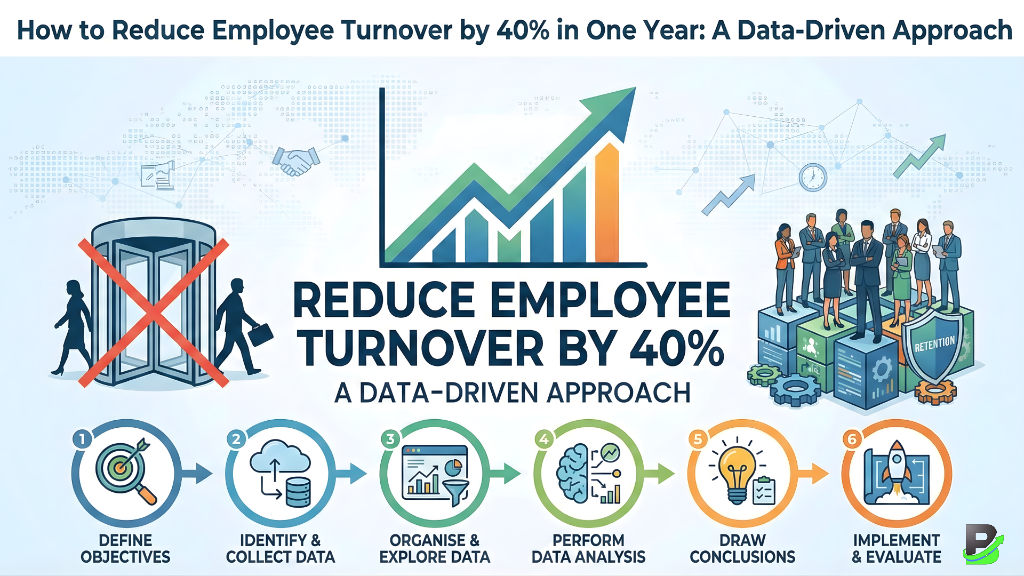
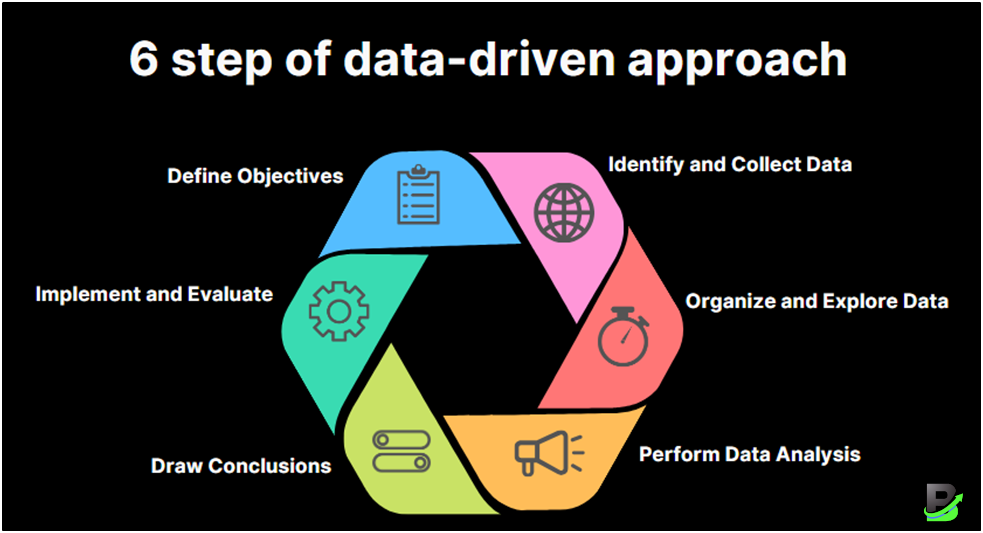
Minimising employee turnover is one of the core objectives of HR specialists. High attrition rates may kill productivity, increase hiring expenses, and disintegrate company culture. However, a data-driven strategy is a viable route towards the manifestation of stable outcomes, namely, a 40% turnover reduction during a single year. This blog discusses how HR departments can use a six-step strategy that can be systematically used to enhance employee engagement and retention.
(Source: Self-developed)
Define Objectives
The only way that HR teams can ensure they become effective in addressing the issue of employee turnover is by coming up with specific objectives that are measurable. This accentuates identifying the particular goal, such as decreasing voluntary turnover by 40% within 12 months, which allows for narrowed intervention and focused measurement.
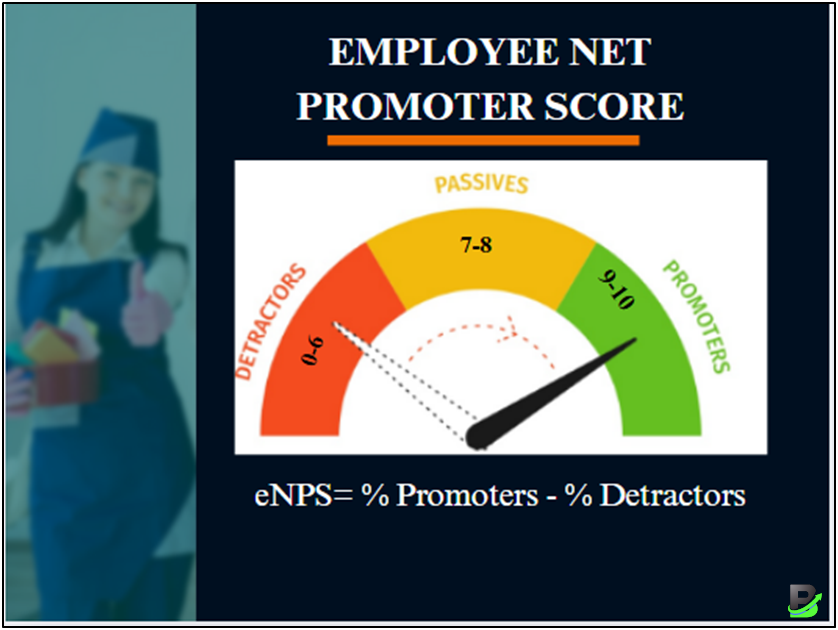
As a case in point, an organisation may want to lower new-hire attrition within the initial year, raise the employee Net Promoter Score (eNPS), or augment the average employee tenure. Such goals should be versatile business-wise and be based on up-to-date HR data. The absence of such a clearly defined target makes the strategies vague or misdirected. Specific goals will become a guide leading to each next step of the process, and the organisation will be able to observe the progress and the effects.
(Source: Self-developed)
Identify and Collect Data
After the target has been established, the next important step is to determine and identify necessary information. Organisations ought to be keen on not only quantitative data, including retention rates, absenteeism, and promotion schedules, but also qualitative information including exit interviews, engagement surveys, and feedback in stay interviews.
By measuring the data gathered at the various touchpoints, a more complete picture is seen of the experience of the employee, which helps find out latent problems. As an example, an excessively high exit rate in a particular department can indicate managerial issues, whereas comments in surveys can reflect the lack of contentment in the workload or an unbalanced work-life balance.
By not collecting complete data, organisations usually cannot identify the actual factors that make employees leave. Therefore, intelligent data gathering preconditions effective and well-informed decisions.
Organise and Explore Data
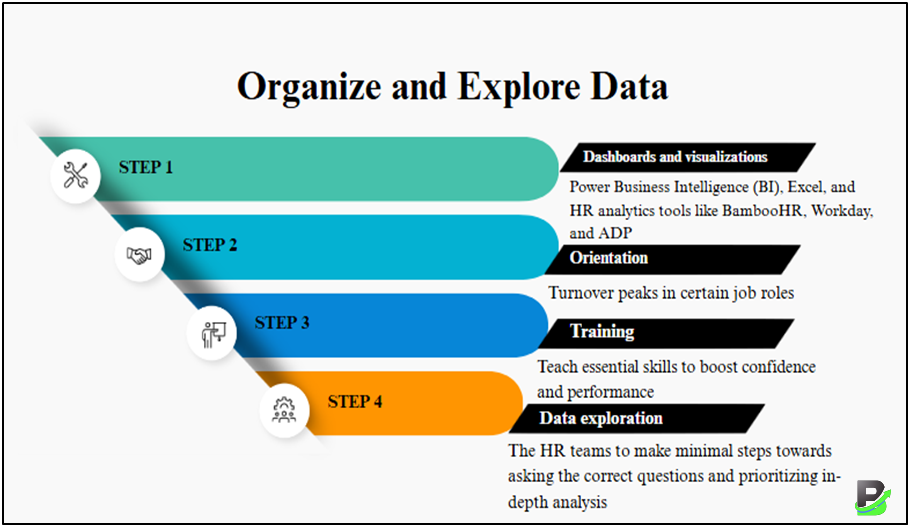
- Once data is collected, it has to be organised and analysed to find some meaningful patterns. This stage implies sorting raw data into readable dashboards and visualisations through Power Business Intelligence (BI), Excel, and HR analytics tools like BambooHR, Workday, and ADP.
- This step allows trends to start to appear, such as turnover peaks in certain job roles, or a correlation between low engagement rates and drops in retention.
- In this regard, the aim is to identify patterns, errors, and red flags that need further investigation.
- Messy data could conceal significant correlations or introduce distortion that causes delays in obtaining answers.
- Data exploration can help HR teams to make minimal steps towards asking the correct questions and prioritising in-depth analysis.
(Source: Self-developed)
Perform Data Analysis
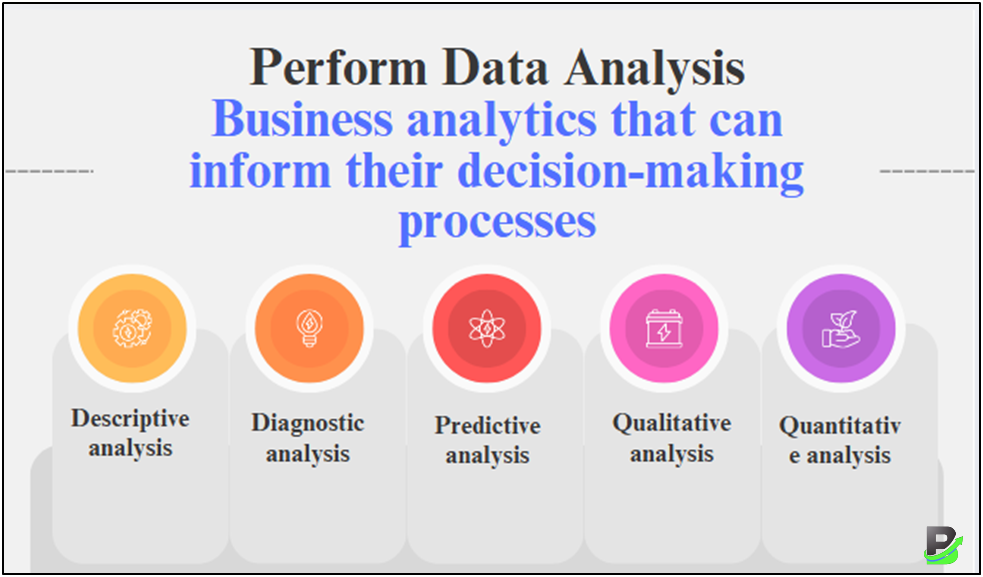
Understanding several types of business analytics can help firms improve their decision-making processes.
- Descriptive analysis: Descriptive analysis is a method for summarising historical data and providing insights into prior performance. It is frequently used in the creation of monthly sales reports, customer satisfaction surveys, and website traffic analytics.
- Diagnostic analysis: Diagnostic analysis is a technique that employs data finding, mining, and correlations to determine the underlying reasons for trends or incidents, such as a drop in sales or an increase in customer complaints.
- Predictive analysis: Predictive analysis forecasts future patterns using historical data, allowing organisations to better predict revenue, employee behaviour, and risk management.
- Qualitative analysis: Non-numerical data is used in qualitative analysis to understand concepts, opinions, and experiences. Methods used include content analysis, theme analysis, and text mining for consumer feedback and market research interviews.
- Quantitative analysis: Quantitative analysis examines numeric data using statistical, mathematical, and computer tools to identify trends and enable financial modelling, operational metrics analysis, and performance evaluation.
(Source: Self-developed)
An example would be that regression may indicate that the greater the number of employees who have limited internal mobility, the more they are likely to turnover, and that predictive models may identify at-risk employees using patterns of tenure, engagement, and performance. Any company that manages to take this step will stand out among reactive companies, because through data analysis, companies will be able to predict attrition and act accordingly.
Draw Conclusions
Making decisions is a matter of transforming analysis into wisdom. HR teams should generalise their findings and come up with a list of prioritised solutions to be implemented. To take an example, when exit surveys identify the absence of career development as a major concern, the inference can be to fund internal mobility and training.
Therefore, the need to align strategies implies that solutions should not only decrease turnover but also assist organisational objectives such as innovation, diversity, or customer satisfaction. Leadership buy-in is also imperative to achieve this; that is, communicating conclusions clearly and correlating them with business performance. When the organisation has experienced turnover that is costing the business millions of dollars annually, demonstrating the cost savings of retention efforts gains more strength for the company's investment case.
Implement and Evaluate
To respond, companies have to plan and implement programs grounded in their findings. It can be designing a new onboarding experience, a manager coaching program, expansion of a flexible work regime, employee engagement campaigns, and so on. Implementation is not a single episode, though. It should be stabilised through continuous assessment via feedback loops, pulse surveys, and live measurements.
For example, AI-powered systems may analyse resumes and social media profiles to discover top job candidates, saving time and money compared to traditional recruitment approaches. Real-time monitoring technologies can measure staff engagement using pulse surveys, sentiment analysis of internal communications, and KPI monitoring.
In case they are failing to achieve goals, strategies should be redefined. Regular assessment guarantees accountability and gives impetus to achieve the 40% reduction by the due date.